
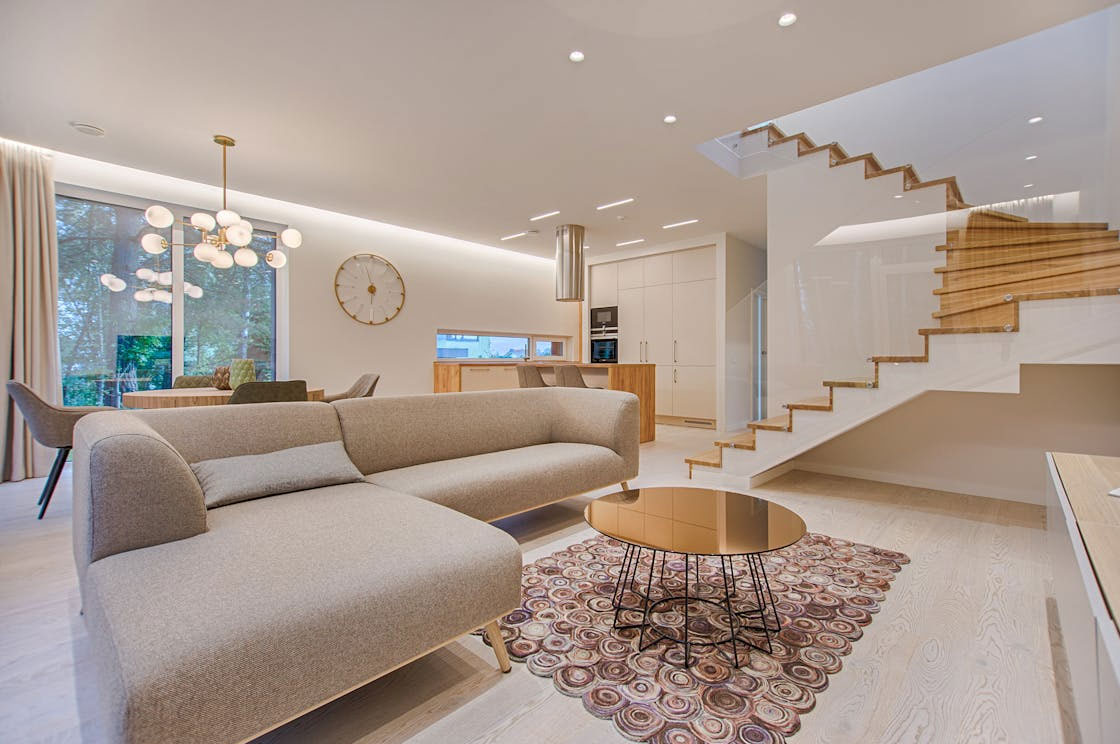
The Latest Trends In Home Design: What’s Hot This Year
From color palettes and materials to spatial philosophy the design influences shaping the most stunning homes in the present
Design trends for homes don’t just come from the designs by interior design professionals working an isolated environment. They are cultural reactions -reflections of the way society lives and what it values and responding to.
The current trends that are shaping the most gorgeous and sought-after houses this year speak to a unified story that reflects a desire among people to create spaces that feel real, grounded and truly personal, instead of being aspired-to-be staged display with a rising interest in natural materials, organic shapes and hues that are derived from the earth, not charting trends; and a renewed interest in homes that are genuine sanctuary spaces rather than showcases.
It doesn’t matter if you’re planning a major overhaul or making minor changes or just looking for ideas that’s still relevant five years down the road, knowing the driving forces behind contemporary home design can assist you in making choices that have the ability to last. we explore the fascinating world of the mind—breaking down psychology concepts into simple is what’s making the most captivating interiors today.
1. Warm Minimalism: The Death of Cold, Stark Interiors
The cold, minimalist style that was the norm in interior design for the decade of 2010 with all white walls and concrete grey razor-sharp edges and blank spaces — is now giving an opportunity to something warmer more complex, more layered, and more empathetic.
Warm minimalism maintains the dedication to simplicity and clean lines that appealed to minimalists however it swaps the starkness with organic wood shades, soft and creamy light whites and textured lines and organic shapes that create spaces that are calming but warm rather than sterile.
The warm minimalism palette is supported by soft off-whites and warm taupes and soft terracottas shades that convey the natural warmth of materials, rather than the neutrality that is typical of commercial space.
Furniture silhouettes have softer The straight-cut, angular sofas as well as tables of recent times are now replaced by curvaceous and rounded shapes that feel more comfortable and are more organically balanced. The aim of warm minimalism does not mean empty space, it’s the presence of what is attractive and meaningful that is presented in a manner that is calming rather than uninspiring.
2. Natural and Reclaimed Materials Take Center Stage
If one thing has defined this period in the world of home design more than others, it’s the fervent embrace of natural, tactile and imperfect materials that bear tangible evidence of their origin and their age.
Brass hardware with no lacquer that develops a natural patina with time. Hand-crafted zellige tile that has its distinctive irregularity and depth. Reclaimed wood ceiling beams, flooring, and shelves that add the character and history that is not found in any other new material.
Limestone, Travertine, and rough-hewn stones in bathrooms and kitchens which favor the natural instead of the artificial. Rattan, jute and sisal, as well as woven natural fibers in textiles and furniture which add warmth and texture.
The shift towards genuine natural, imperfect materials is a direct response to the glossy, ultra-smooth, uniform surfaces that came before it. Designers and homeowners alike are looking for materials that are durable and improve with time and are unable to be duplicated.
These are qualities that are truly important in an increasingly digital and replicable world.
3. Biophilic Design: Bringing the Outside In
Biophilic design, the process of using nature elements, light and connections to the outside environments into the interior of a spaceit has evolved from a niche architectural approach to become one of the most commonly accepted concepts in modern home design.
The scientific evidence is convincing studies consistently show the benefits of exposure to nature in living spaces lowers stress hormones, enhances mood, boosts cognitive performance and helps speed recuperation from fatigue.
The application of biophilic design can range from the simple to the architectural. On the easy side are large groups of living walls, houseplants natural wood surfaces stone textures, as well as water elements.
The architectural side the floor-to-ceiling windows provide views of the garden outdoor living spaces, indoor-outdoor space that blurs the line between garden and house skylights that flood the rooms with natural light and structural elements such as exposed timber that provide an aesthetic connection to the natural materials.
The moss-covered walls of indoor plants or botanical print are manifestations of the same basic idea to bring the tranquil nature and relaxation of nature into the places that we use for the majority of our time.
4. Saturated, Confident Color Returns After Years of Grey
In the midst of more than 10 years during the period when grey was dominant in homes so much that it was almost the norm for contemporary design, color is now making an impressive, confident return.
The palette that has triggered this resurgence is quite different from the bright primary colors of previous periods of revival in color It’s rich, complex and earthy, rather than intense and bright. Sage and forest greens appear on cabinets or accent walls as well as upholstery furniture with incredible regularity, adding organic newness and depth to spaces that were previously dominated by neutral colors.
Warm ochres and rich terracottas are returning to living and dining areas after a long period of emigration. The moody navy and dusty blue tones are making their way into front doorways as well as kitchen islands, as well as the walls of bedrooms.
The most dramatic charcoals and even near-blacks can be applied to whole rooms to create striking effects by homeowners who are willing to be committed to these colors. The common thread in these rooms is intention and earthiness.
They are shades drawn from nature, not the painted chip display and they will age gracefully in a manner that trendy bright colors seldom do.
5. The Kitchen Island Evolves Into a Social Centerpiece
Kitchens have been the renowned central point of the house for a long time, but the way in which the space is designed and utilized is transforming.
The kitchen island initially primarily used to provide extra counter space and storage — has now become the focal point of social and aesthetics of modern-day open-plan kitchens and is attracting more attention and investments. Islands are increasing in size increasing in size, becoming more robust architecturally and becoming furniture pieces with a distinctive design style instead of simply being extensions of cabinetry in the kitchen.
Two-tone kitchens -where the kitchen island is finished with the opposite colour or material with the cabinets that surround it are among the most sought-after design elements when it comes to kitchen remodeling. Waterfall edges, where countertop material falls through to the side of the kitchen island to the floor, create an sculptural look that lifts the whole kitchen.
A variety of seating options and a statement pendant lighting over, and concealed appliances within are all part of the concept of an island as a social hub that defines the most appealing kitchen designs of the present.
6. Spa Bathrooms: Wellness Architecture Comes Home
The bathroom is undergoing an intellectual transformation in modern design of homes that goes beyond aesthetics. Bathrooms used to be primarily functional spaces — rooms that you went into with a specific purpose, and quickly left and quickly being designed to be true spas, spaces that allow to relax, restore the senses and relaxed self-care that lifestyle can’t afford.
The aesthetic of the spa bathroom is defined by a variety of interconnected aspects that include natural stone surfaces polished rather than honed finishes that are soft and tactile instead of cold and sterile bathtubs that are freestanding and placed as sculptural focal points as well as large-format walk-in showers featuring rainfall shower systems, steam capabilities as well as built-in benches heated floors that make morning routines pleasant; and thoughtful lighting that provides both bright task lighting as well as dimmable ambient lighting to allow for a relaxing evening.
The warm wood huespreviously restricted to wet areas because of the risk of deterioration, but now offered in engineered waterproof formatsappear on walls and vanities to soften the hard surfaces traditionally were used in bathrooms and transforming spaces into ones that are truly relaxing.
7. Multifunctional Spaces and the Thoughtful Home Office
The increasing use of hybrid and remote work has drastically altered the space requirements of the modern house, and the modern home designs are coming up with truly creative solutions to the problem of creating spaces that can be able to serve multiple purposes.
The home office that is dedicated to workan area with an entrance, separation of the acoustic to the remainder of the home and a design that allows for continuous work is an increasingly sought-after aspects of residential real estate.
In the homes where a designated space isn’t readily available, designers are coming up with more sophisticated solutions to embedding workspaces such as desk alcoves with built-in desks under staircases, Murphy beds that hide an entire work space behind a cabinet that folds away libraries that integrate an office within a floor-to ceiling shelving system and layouts for sitting rooms which allow for a workspace and still maintain the space’s principal function as a space for socializing.
The guiding principle for design in the various options is the similar: the workspace should be available when it is needed, and hidden when not needed -fulfilling its purpose, but not restricting the space surrounding it.
8. Vintage and Antique Pieces as the New Luxury
In a world flooded by modern furniture and decor that are pre-seasoned and pre-styled antiques have gained a new value that is far beyond the limits of sustainability or budget-consciousness.
Antique and vintage pieceslike a 19th-century French farmhouse table and the mid-century modern credenza you find from an estate sale or a assortment of Georgian silver from the family of a deceased parent — provide an irresistible authenticity and the home with a depth that no amount invested in a modern furniture store can duplicate.
The increasing trend to incorporate antique and vintage pieces into modern-day interiors indicates the growing desire of people to have the authentic, the unique and the long-standing. The interior designers of the present are buying items from antique markets, auction houses, and antique dealers to provide a fresh alternative to the slick, interchangeable look that comes when furnishing a house completely from the current market.
The most fascinating designs of the moment are those that blend styles, periods and provenance in a way that is believable making spaces that feel like they were built over time, instead of being arranged to fit into a short.
Design With Longevity — Not Just the Moment
The most lasting lesson learned from studying trends in design is that the trends that have the longest duration are those that have roots in something more fundamental than aesthetics -in the way people would like to live in their lives, what they like and what meets their needs in the real world.
The trends discussed in this article that emphasize warmth over harshness natural over artificial personal over generic as well as restorative and performativeThese aren’t fashion trends that will change in 18 months.
They’re expressions of the values people have been developing for a long time, and are currently getting their most full expression in the homes homeowners are constructing and dreaming of. Take these patterns as a basis to understand what is important to you, not as a list to follow.
The most stunning home isn’t necessarily the most modern one, but the one that truly is a reflection of the people who live in it.