
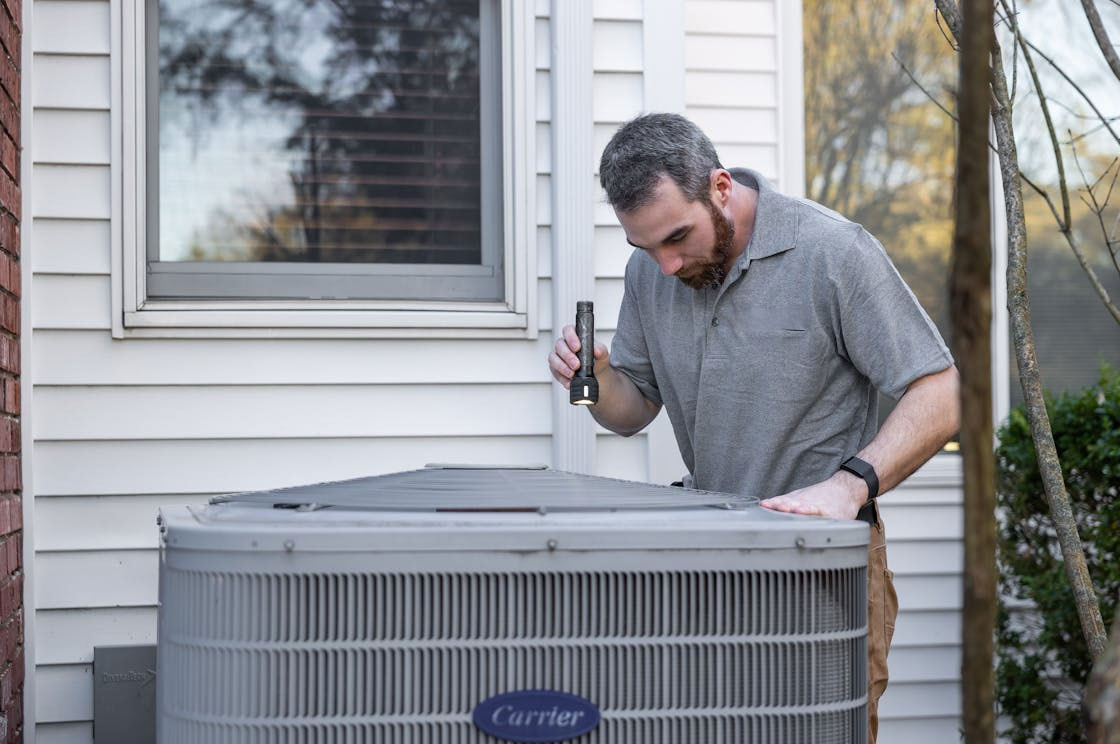
What should you look for, how to do and when you should call an expert A practical guide for any homeowner
The HVAC system is among the most efficient and reliable components within your home. It operates quietly in the background, completing hundreds of cooling and heating cycles throughout the year, and the majority of homeowners do not consider the system until there is a problemtypically during the hottest day of summer, or the most frigid winter night where comfort is a priority.
The positive side is that many of the most prevalent HVAC issues have simple, affordable solutions that anyone can tackle without calling an expert. Being aware of the issues that fall into this category and which ones require expert attention could save you hundreds or perhaps thousands in unneeded service calls, while safeguarding your HVAC system from negligence that reduces its longevity.
This guide will walk you through the ten most frequent HVAC issues that homeowners face and explains the reasons for them and explains how to fix each.
Problem 1: The System Is Running But Not Cooling or Heating Effectively
It is the most frequent HVAC problem that homeowners experience as it can have a number of possible causes that range from basic to the grave. Begin with the most basic checks first: make sure your thermostat is correctly set to cool, not heat and to be that is actually lower than the temperature of your indoors. Make sure that the fan’s setting is set to Auto instead of ‘On’The ‘On’ setting will keep the fan running even when there is no cooling or heating occurs, and circulating air that is not conditioned and giving the impression that it is not performing properly.
Next, check your air filter. A blocked filter is the reason for a significant portion of HVAC issues with performance. it impedes airflow to the extent that your HVAC unit is unable to transport enough air to properly maintain the condition of your home.
If the filter is visible dirty and grey, change it as soon as possible. If these easy tests do not solve the issue, it could be due to a low refrigerant level or a dirty evaporator coil or a compressor that is failing -all of which require an experienced technician.
Problem 2: The System Will Not Turn On At All
Before you decide that the HVAC system has experienced an extreme failure, go through a checklist. Examine the batteries of your thermostat – dead batteries can be a frequent cause for an HVAC system that is to be completely inactive. Verify that the thermostat is properly set in addition to ensuring that your temperature settings will naturally trigger the system to start. Check on your electric panel to see if there is a breaker -It is possible that a breaker has tripped.
HVAC systems generally come with circuit breakers that are specifically designed for HVAC systems that if tripped can shut off power completely. Reset the breaker only once, and if it fails again in the same moment, don’t reset it again and contact a technician since repeated tripping could indicate an electrical issue that requires professional assistance.
Make sure that the power switch on the indoor air handler -similar to a standard lamp switch hasn’t been accidentally shut off. A lot of service calls that cost homeowners diagnostic charges can be resolved with these easy inspections.
Problem 3: Uneven Temperatures Between Rooms
The hot spots that occur in the summer, and cold spots during winterrooms that do not attain the temperature that which the thermostat has been set for is among the most annoying discomfort issues homeowners face.
The reasons for this are numerous however, they are usually fixable. Start by ensuring the supply vents of the area of concern are in good working order and free of obstructions from furniture or draperies that are obstructing airflow. Check your return ventslarger grilles that bring air back into the system clean throughout the house since blocked returns cause tension imbalances, which can cause disruption to even distribution of air.
If the room in question is situated above or below the living space the an inadequate crawl space or attic insulation could be the main reason for this, as it allows extreme temperatures in the outdoors to overpower the conditioned air flowing.
Duct leakage that is affecting runs in particular rooms is a different issue: a duct which has split at the joint of the crawl space or attic does not deliver any conditioning air to its final destination. A inspection and sealing of ducts is often able to resolve issues with hot or cold rooms that an HVAC system on its own won’t be able to fix.
Problem 4: Unusual Noises Coming From the System
HVAC systems communicate through sound. Learning to recognize the most common sounds can help you identify issues before they turn into costly repairs. The sound of a clanking or banging generally suggests a damaged or loose part inside the air handler – usually a loose blower wheel or broken motor mount.
It requires immediate attention from a professional prior to the loose component causing additional damage. A high-pitched screeching, squealing sound usually indicates an old belt that is worn out in systems or a damaged motor bearing and is recommended to be addressed immediately prior to the motor failing completely. A click sound that happens when the system is shut down and on startup is normal. A continuous clicking sound that persists throughout the entire operating process indicates a control or relay board problem that needs a professional.
The rattling that stops when you grip a vent cover is usually a sign that the screws on the cover have become loose and require tightening — a 10-second solution. The sounds that make hissing sound are more alarming because they could indicate leaks in refrigerant or duct leakage or duct leakage, both of which need to be assessed by a professional.
Problem 5: The System Is Short Cycling
A short cycle — where your HVAC system is turned on, only runs for about a minute or so before shutting off and then quickly re-starts is extremely damaging to equipment, and can indicate that something isn’t right.
The most common homeowner-addressable cause is an extremely dirty air filter creating so much restriction that the system overheats or freezes and triggers a safety shutoff. Replace the filter and give the system 30 minutes to recuperate before resuming. Evaporator coils that are frozenusually evident as ice-like formations on the unit that is indoormay also cause a short-cycle.
If you see an ice-like formation, switch the unit off and let the fan run for a couple of hours to let the coil melt, then examine the filter, and then restart. If the short cycle continues to occur in the following steps it is most likely due to an oversized system, a refrigerant problem or a malfunctioning thermostat All of which require expert diagnosis.
Problem 6: Water Leaking Around the Indoor Unit
The sight of water accumulating around the air handler in your home can be alarming, but usually it has a clear root. When you cool your home your air conditioner draws moisture from your air and condensation needs to flow out through the condensate drain line.
If the drain line is clogged by mold, algae or other debris (which is common in humid climates water backs up, and then flows to the pan for draining, and eventually, onto the floor. Cleaning the condensate drain is a regular chore that all homeowners can tackle: find the drainage line (a PVC pipe which typically exits from the inside unit) Find your access point or the clean-out cap then flush it using the mixture of distilled white vinegar as well as water or use a dry vacuum positioned on the outside end of the line to pull out the obstruction.
To prevent this issue, it’s easier: simply put a cup of diluted white vinegar in the drain access port every month during the cooling season. If the leak persists after flushing the drain there is a crack in the drainage pan, or refrigerant leak could be the cause contact a professional.
Problem 7: Poor Indoor Air Quality or Excessive Dust
If your house is more dusty than it is or if your family members are suffering from more symptoms of allergies and respiratory irritation and respiratory irritation, your HVAC system could contribute to the issue instead of solving the issue.
The first and most significant measure is to change your filter for air to better MERV-rated model. A between MERV 8 and MERV 13 filter can capture a much wider variety of particles, including pollen, dust pet dander, mold spores, compared to standard fiberglass filters that most homes employ.
Be aware that high MERV filters may impede airflow in systems that are not made to handle them. Check your system’s documentation or consult an expert before making the leap into MERV 16 and higher. Ducts that leak when they pass through smoky crawl spaces can introduce substantial pollutants directly into your air supply.
Duct sealing eliminates this problem right at the source. A professional duct cleaning each three or five years helps remove dust and debris that has accumulated in the interior of the duct, which is particularly helpful for houses with smokers, pets or work on renovations which has produced large amounts of dust.
Problem 8: High Energy Bills Without a Change in Usage
A sudden or gradual rise in your utility bills without any modification in the way you use your home is one the most obvious signs you know your system’s HVAC unit is operating more than it should.
The most common homeowner-addressable causes include a clogged air filter forcing the system to work against excessive resistance, refrigerant leaks reducing cooling efficiency and causing the compressor to run longer to achieve the same temperature, and an aging system that has lost significant efficiency over time.
Replace the filter first – it’s a matter of two minutes and is priced at just a couple of dollars. In the event that your appliance is older than 12 to 15 years old and the bills are increasing, a analysis of your current equipment could show that replacing the filter pays its own way in energy savings in an acceptable time frame.
A smart or programmable thermostat that stops the system from operating at its maximum capacity during non-occupied hours could also result in significant cost reductions, with little expenditure.
The Simple Maintenance Routine That Prevents Most Problems
The majority of HVAC problems have one source: unplanned maintenance. The positive side is that the routine of maintenance that stops the majority of them is not long-lasting nor costly.
Change your air filter each one to three months based on the level of dust in your home and type of filter This simple habit can prevent more HVAC problems than any other move homeowners could do. Maintain the area of two feet surrounding your outdoor condenser unit clean of any debris, plants, and obstructions that hinder the flow of air.
Clean the condenser coil’s outdoor fins every year with an easy garden hose rinse to eliminate dirt and debris that has built up. Clear your condensate drains every month in the cooling season. Make sure to schedule a professional tune-up every at least once per year — best in the spring prior to cooling season and autumn prior to heating seasonwhere technicians clean the coils, examine refrigerant levels, check electrical components, and lubricate moving parts and spot any potential issues prior to them becoming emergency issues.
This one-time investment can extend the lifespan of your system, improves the efficiency of your system, and helps keep your family members comfortable throughout the season.
Knowledge Is Your Best HVAC Tool
Understanding the way your HVAC system operates and what the most frequent breakdown points are, as well as the issues you can tackle yourself, you can transform from being a passive participant in breakdowns to a knowledgeable, proactive homeowner.
The majority of the issues discussed in this article such as clogged filters broken breakers blockages, blocked vents, and drainage lines that are blocked — can be fixed for free and only take a few just a few minutes to fix. Identifying them early with regular maintenance will prevent them from escalating into expensive compressor breakdowns burning out motors, or water damage that can result due to neglect over time.
For those issues that require expert attention, being aware enough to identify the signs precisely, having completed the basics of checks and knowing what constitutes a correct diagnosis can help you communicate more effectively in your conversation with the HVAC service provider and help you make more informed decisions regarding the repairs and investment your system requires.
Disclaimer This article is intended solely for informational purposes. Always seek the advice of a licensed and certified HVAC expert before undertaking any repairs that go beyond the simple maintenance tasks. The work with refrigerants, electric components, or gas lines requires certification by a qualified professional and shouldn’t be attempted by non-certified individuals.
Common HVAC Problems And Simple Solutions For Homeowners
What should you look for, how to do and when you should call an expert A practical guide for any homeowner
The HVAC system is among the most efficient and reliable components within your home. It operates quietly in the background, completing hundreds of cooling and heating cycles throughout the year, and the majority of homeowners do not consider the system until there is a problemtypically during the hottest day of summer, or the most frigid winter night where comfort is a priority.
The positive side is that many of the most prevalent HVAC issues have simple, affordable solutions that anyone can tackle without calling an expert. Being aware of the issues that fall into this category and which ones require expert attention could save you hundreds or perhaps thousands in unneeded service calls, while safeguarding your HVAC system from negligence that reduces its longevity.
This guide will walk you through the ten most frequent HVAC issues that homeowners face and explains the reasons for them and explains how to fix each.
Problem 1: The System Is Running But Not Cooling or Heating Effectively
It is the most frequent HVAC problem that homeowners experience as it can have a number of possible causes that range from basic to the grave. Begin with the most basic checks first: make sure your thermostat is correctly set to cool, not heat and to be that is actually lower than the temperature of your indoors.
Make sure that the fan’s setting is set to Auto instead of ‘On’The ‘On’ setting will keep the fan running even when there is no cooling or heating occurs, and circulating air that is not conditioned and giving the impression that it is not performing properly. Next, check your air filter. A blocked filter is the reason for a significant portion of HVAC issues with performance.
it impedes airflow to the extent that your HVAC unit is unable to transport enough air to properly maintain the condition of your home. If the filter is visible dirty and grey, change it as soon as possible. If these easy tests do not solve the issue, it could be due to a low refrigerant level or a dirty evaporator coil or a compressor that is failing -all of which require an experienced technician.
Problem 2: The System Will Not Turn On At All
Before you decide that the HVAC system has experienced an extreme failure, go through a checklist. Examine the batteries of your thermostat – dead batteries can be a frequent cause for an HVAC system that is to be completely inactive.
Verify that the thermostat is properly set in addition to ensuring that your temperature settings will naturally trigger the system to start. Check on your electric panel to see if there is a breaker -It is possible that a breaker has tripped. HVAC systems generally come with circuit breakers that are specifically designed for HVAC systems that if tripped can shut off power completely.
Reset the breaker only once, and if it fails again in the same moment, don’t reset it again and contact a technician since repeated tripping could indicate an electrical issue that requires professional assistance. Make sure that the power switch on the indoor air handler -similar to a standard lamp switch hasn’t been accidentally shut off. A lot of service calls that cost homeowners diagnostic charges can be resolved with these easy inspections.
Problem 3: Uneven Temperatures Between Rooms
The hot spots that occur in the summer, and cold spots during winterrooms that do not attain the temperature that which the thermostat has been set for is among the most annoying discomfort issues homeowners face.
The reasons for this are numerous however, they are usually fixable. Start by ensuring the supply vents of the area of concern are in good working order and free of obstructions from furniture or draperies that are obstructing airflow. Check your return ventslarger grilles that bring air back into the system clean throughout the house since blocked returns cause tension imbalances, which can cause disruption to even distribution of air.
If the room in question is situated above or below the living space the an inadequate crawl space or attic insulation could be the main reason for this, as it allows extreme temperatures in the outdoors to overpower the conditioned air flowing.
Duct leakage that is affecting runs in particular rooms is a different issue: a duct which has split at the joint of the crawl space or attic does not deliver any conditioning air to its final destination. A inspection and sealing of ducts is often able to resolve issues with hot or cold rooms that an HVAC system on its own won’t be able to fix.
Problem 4: Unusual Noises Coming From the System
HVAC systems communicate through sound. Learning to recognize the most common sounds can help you identify issues before they turn into costly repairs.
The sound of a clanking or banging generally suggests a damaged or loose part inside the air handler – usually a loose blower wheel or broken motor mount. It requires immediate attention from a professional prior to the loose component causing additional damage.
A high-pitched screeching, squealing sound usually indicates an old belt that is worn out in systems or a damaged motor bearing and is recommended to be addressed immediately prior to the motor failing completely. A click sound that happens when the system is shut down and on startup is normal. A continuous clicking sound that persists throughout the entire operating process indicates a control or relay board problem that needs a professional.
The rattling that stops when you grip a vent cover is usually a sign that the screws on the cover have become loose and require tightening — a 10-second solution. The sounds that make hissing sound are more alarming because they could indicate leaks in refrigerant or duct leakage or duct leakage, both of which need to be assessed by a professional.
Problem 5: The System Is Short Cycling
A short cycle — where your HVAC system is turned on, only runs for about a minute or so before shutting off and then quickly re-starts is extremely damaging to equipment, and can indicate that something isn’t right.
The most common homeowner-addressable cause is an extremely dirty air filter creating so much restriction that the system overheats or freezes and triggers a safety shutoff. Replace the filter and give the system 30 minutes to recuperate before resuming.
Evaporator coils that are frozenusually evident as ice-like formations on the unit that is indoormay also cause a short-cycle. If you see an ice-like formation, switch the unit off and let the fan run for a couple of hours to let the coil melt, then examine the filter, and then restart. If the short cycle continues to occur in the following steps it is most likely due to an oversized system, a refrigerant problem or a malfunctioning thermostat All of which require expert diagnosis.
Problem 6: Water Leaking Around the Indoor Unit
The sight of water accumulating around the air handler in your home can be alarming, but usually it has a clear root. When you cool your home your air conditioner draws moisture from your air and condensation needs to flow out through the condensate drain line.
If the drain line is clogged by mold, algae or other debris (which is common in humid climates water backs up, and then flows to the pan for draining, and eventually, onto the floor. Cleaning the condensate drain is a regular chore that all homeowners can tackle: find the drainage line (a PVC pipe which typically exits from the inside unit) Find your access point or the clean-out cap then flush it using the mixture of distilled white vinegar as well as water or use a dry vacuum positioned on the outside end of the line to pull out the obstruction.
To prevent this issue, it’s easier: simply put a cup of diluted white vinegar in the drain access port every month during the cooling season. If the leak persists after flushing the drain there is a crack in the drainage pan, or refrigerant leak could be the cause contact a professional.
Problem 7: Poor Indoor Air Quality or Excessive Dust
If your house is more dusty than it is or if your family members are suffering from more symptoms of allergies and respiratory irritation and respiratory irritation, your HVAC system could contribute to the issue instead of solving the issue. The first and most significant measure is to change your filter for air to better MERV-rated model.
A between MERV 8 and MERV 13 filter can capture a much wider variety of particles, including pollen, dust pet dander, mold spores, compared to standard fiberglass filters that most homes employ. Be aware that high MERV filters may impede airflow in systems that are not made to handle them. Check your system’s documentation or consult an expert before making the leap into MERV 16 and higher.
Ducts that leak when they pass through smoky crawl spaces can introduce substantial pollutants directly into your air supply. Duct sealing eliminates this problem right at the source. A professional duct cleaning each three or five years helps remove dust and debris that has accumulated in the interior of the duct, which is particularly helpful for houses with smokers, pets or work on renovations which has produced large amounts of dust.
Problem 8: High Energy Bills Without a Change in Usage
A sudden or gradual rise in your utility bills without any modification in the way you use your home is one the most obvious signs you know your system’s HVAC unit is operating more than it should.
The most common homeowner-addressable causes include a clogged air filter forcing the system to work against excessive resistance, refrigerant leaks reducing cooling efficiency and causing the compressor to run longer to achieve the same temperature, and an aging system that has lost significant efficiency over time.
Replace the filter first – it’s a matter of two minutes and is priced at just a couple of dollars. In the event that your appliance is older than 12 to 15 years old and the bills are increasing, a analysis of your current equipment could show that replacing the filter pays its own way in energy savings in an acceptable time frame.
A smart or programmable thermostat that stops the system from operating at its maximum capacity during non-occupied hours could also result in significant cost reductions, with little expenditure.
The Simple Maintenance Routine That Prevents Most Problems
The majority of HVAC problems have one source: unplanned maintenance. The positive side is that the routine of maintenance that stops the majority of them is not long-lasting nor costly. Change your air filter each one to three months based on the level of dust in your home and type of filter This simple habit can prevent more HVAC problems than any other move homeowners could do.
Maintain the area of two feet surrounding your outdoor condenser unit clean of any debris, plants, and obstructions that hinder the flow of air. Clean the condenser coil’s outdoor fins every year with an easy garden hose rinse to eliminate dirt and debris that has built up. Clear your condensate drains every month in the cooling season.
Make sure to schedule a professional tune-up every at least once per year — best in the spring prior to cooling season and autumn prior to heating seasonwhere technicians clean the coils, examine refrigerant levels, check electrical components, and lubricate moving parts and spot any potential issues prior to them becoming emergency issues. This one-time investment can extend the lifespan of your system, improves the efficiency of your system, and helps keep your family members comfortable throughout the season.
Knowledge Is Your Best HVAC Tool
Understanding the way your HVAC system operates and what the most frequent breakdown points are, as well as the issues you can tackle yourself, you can transform from being a passive participant in breakdowns to a knowledgeable, proactive homeowner.
The majority of the issues discussed in this article such as clogged filters broken breakers blockages, blocked vents, and drainage lines that are blocked — can be fixed for free and only take a few just a few minutes to fix. Identifying them early with regular maintenance will prevent them from escalating into expensive compressor breakdowns burning out motors, or water damage that can result due to neglect over time.
For those issues that require expert attention, being aware enough to identify the signs precisely, having completed the basics of checks and knowing what constitutes a correct diagnosis can help you communicate more effectively in your conversation with the HVAC service provider and help you make more informed decisions regarding the repairs and investment your system requires.
Disclaimer This article is intended solely for informational purposes. Always seek the advice of a licensed and certified HVAC expert before undertaking any repairs that go beyond the simple maintenance tasks. The work with refrigerants, electric components, or gas lines requires certification by a qualified professional and shouldn’t be attempted by non-certified individuals.